



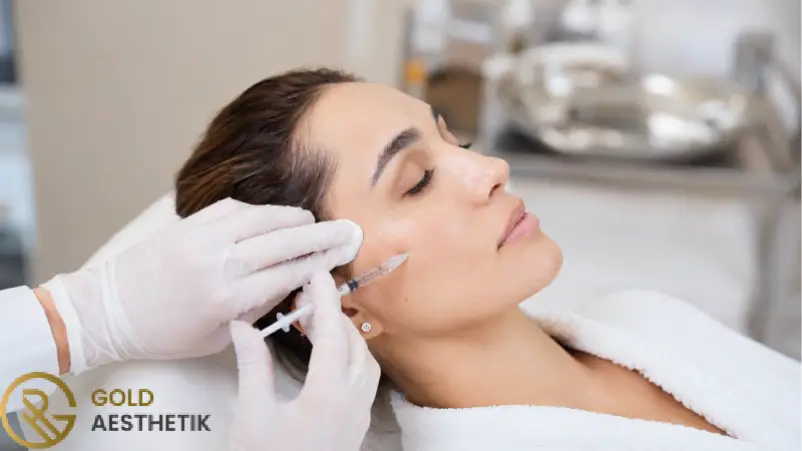
Facial mesotherapy is a minimally invasive method to improve the hydration, vitality, and external appearance of the skin. This method involves introducing controlled amounts of selected substances into the desired skin area through numerous micro-injections. Depending on the product and treatment goal, the mixture used may contain substances such as non-cross-linked hyaluronic acid, amino acids, peptides, or other skin components.
Mesotherapy is not a standard solution for all individuals and all skin problems. Skin type, degree of dryness, presence of sensitivities or inflammation, medical history, products used, and patient expectations must be reviewed before treatment. The main goal is usually a gradual improvement in skin quality, not a noticeable change in facial shape.
What is facial mesotherapy and how does it help improve the skin?
Facial mesotherapy is usually considered when the skin appears dry, dull, tired, or lackluster, and the patient’s goal is a natural improvement in skin quality. This treatment is typically not used for significant volume creation in the cheeks, lip shaping, or structural correction of the face.
Depending on the chosen product, mesotherapy can help increase skin hydration and suppleness, improving its appearance. Some very superficial lines may become less visible due to improved hydration and skin quality, but mesotherapy should not be expected to eliminate deep wrinkles, significant sagging, or all types of pigmentation spots.
The result is not the same for everyone. The initial condition of the skin, the injected substances, the number of sessions, environmental factors, and skincare can influence the degree of response. For this reason, promising a definitive result after a single session is not a realistic approach.
What substances are injected during facial mesotherapy?
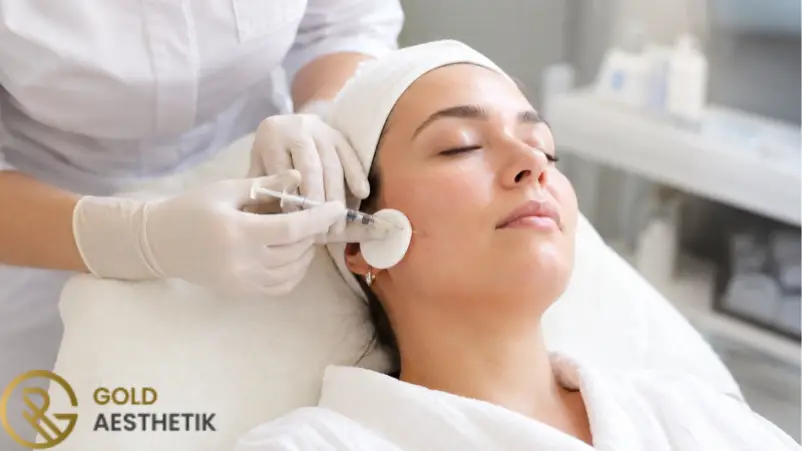
The mixture used in mesotherapy is sometimes referred to as a mesotherapy cocktail, but there is no single formula for all individuals. The product’s content should be selected based on the treatment goal and the skin’s characteristics.
Non-cross-linked hyaluronic acid is one of the substances used in some products. This substance can help maintain skin hydration, but its structure and purpose are not necessarily identical to volumizing fillers. Therefore, mesotherapy is not intended to lead to significant cheek augmentation or facial shape alteration like a filler.
Some products may contain amino acids, peptides, vitamins, or other substances. The type of product, its standardization, and the compatibility of the ingredients with skin needs are important. Allergies, underlying medical conditions, and regularly taken medications must also be reviewed before product selection.
| Type of Substance | Possible Goal | Important Note |
|---|---|---|
| Non-cross-linked hyaluronic acid | Helps with skin hydration and suppleness | The goal is not significant volume creation like with fillers |
| Amino acids | Support natural skin processes | Product type and concentration are important |
| Peptides | Used in some formulations to improve skin quality | Not all products have the same composition |
| Vitamins and other substances | Depends on formulation and product goal | Selection should be based on skin analysis |
How does mesotherapy help hydrate and revitalize the skin?
Mesotherapy involves placing selected substances into specific skin areas through micro-injections. Depending on the product used, the goal may be to improve skin hydration and external appearance.
However, dry skin is not always solely due to a lack of moisture. Unsuitable cleansers, a compromised skin barrier, climatic conditions, certain skin conditions, and some medications can also contribute to dryness. If the main cause is not identified, the result of an injection treatment may be limited.
Skin vitality also depends on various factors. Sun protection, sleep, nutrition, tobacco consumption, and a tailored skincare routine can influence the skin’s appearance. Mesotherapy should be thoughtfully integrated into a coordinated skincare concept, not as a replacement for all care measures.
For which problems can facial mesotherapy be considered?
This treatment is primarily considered for problems related to the skin’s surface quality and hydration. The severity of the problem and its cause determine whether mesotherapy alone is sufficient.
| Skin Problem | Possible Role of Mesotherapy | Limitation |
|---|---|---|
| Dryness and Dehydration | Helps with hydration and suppleness | The underlying cause of dryness should be investigated |
| Dullness and Fatigue | Helps skin appear more vital | Result depends on individual conditions |
| Very Superficial Lines | May become less visible with improved skin quality | Not sufficient for deep wrinkles |
| Uneven Texture | Helps achieve smoother skin for suitable patients | Severe unevenness or deep scars require other treatments |
| Uneven Skin Tone | Can be part of a combined program | Type and cause of pigmentation spots must be clarified |
What does facial mesotherapy not achieve?
Mesotherapy should not be considered a substitute for fillers, Botox, or lifting methods. Each of these treatments has a different goal, and their selection should be based on the primary cause of the problem.
| Common Expectation | Reality |
|---|---|
| Significant volume creation in cheeks or lips | Is not the main goal of mesotherapy |
| Elimination of all wrinkles | Focuses more on skin quality and superficial lines |
| Definitive treatment of all pigmentation spots | Pigmentation spots have different causes and require diagnosis |
| Lifting for severe sagging | Mesotherapy does not replace specific methods for sagging |
| Permanent result after one session | Result and need for repetition depend on the individual situation |
Benefits of facial mesotherapy and expected results
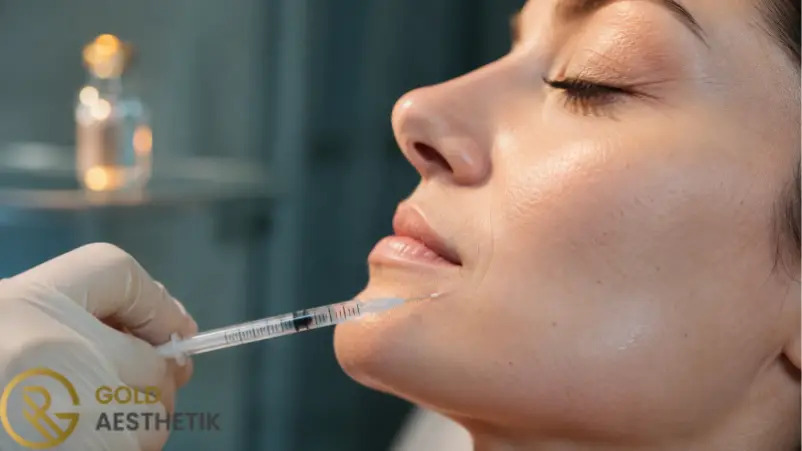
The potential benefits of mesotherapy primarily concern skin appearance and quality. Suitable individuals may gradually notice greater suppleness, a reduction in tired-looking skin, or improved hydration.
The extent of change should be realistically assessed. A good result does not necessarily mean the disappearance of all lines or completely flawless and poreless skin.
Hydration of dry and dull skin
One of the most common reasons for choosing facial mesotherapy is to improve the condition of dehydrated skin. Some of the products used contain moisturizing ingredients and can help the skin look softer and more vital.
For severe or persistent dryness, the cause should be investigated. For skin with active inflammation or significant disruption of the skin barrier, other care or treatment may initially take priority.
Increasing skin vitality and suppleness
In suitable individuals, an improvement in skin hydration and surface quality can make the face look more vital and less tired. This change is usually natural and should not cause a noticeable alteration in facial shape.
The result also depends on aftercare. Constant sun exposure without protection or persistent damaging factors for the skin can impair its external quality.
Effect of mesotherapy on fine lines, pigmentation spots, and skin pores
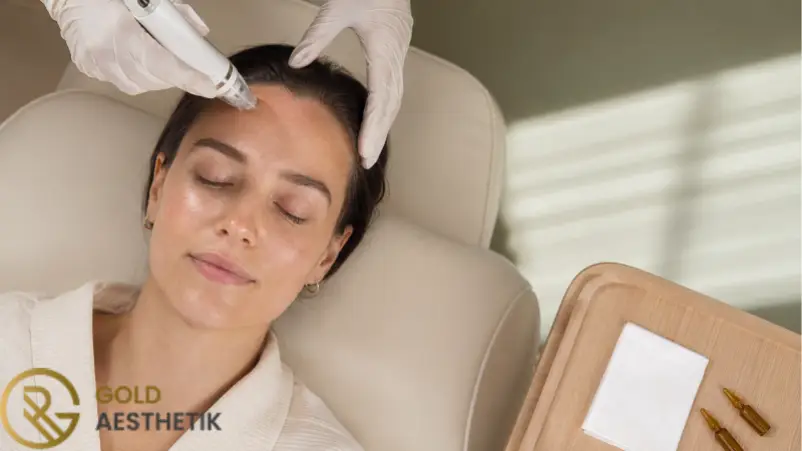
Lines that become more pronounced with dry skin may be less visible after improved hydration. However, mesotherapy is not designed to fill deep wrinkles, and in such cases, the cause of the line and the appropriate method must be investigated separately.
For pigmentation spots, diagnosis is also important. Melasma, sun-induced spots, post-inflammatory discoloration, and acne scars do not have identical mechanisms. Therefore, a mesotherapy cocktail cannot be considered a definitive treatment for all types of pigmentation spots.
Open pores are also usually associated with various factors such as skin texture, sebum production, reduced firmness, or acne scars. An improvement in hydration and texture can reduce the appearance of pores to some extent, but mesotherapy does not eliminate the genetic structure of pores.
Is mesotherapy around the eyes identical to full-face mesotherapy?
No. The skin around the eyes is thinner and more delicate, and the cause of dark circles, lines, or a tired appearance in this area must be investigated separately. The product, technique, and treatment goal may differ from mesotherapy in other facial areas.
For a specialized examination of this area, you can read the article Mesotherapy around the eyes for dark circles and to improve skin quality. The Mesotherapy around the eyes services page also provides further explanations on treatment conditions and medical assessment.
Who is facial mesotherapy suitable for?
Mesotherapy can be considered for individuals whose primary goal is a gradual improvement in hydration and skin appearance and who do not expect volume creation or structural changes to the face.
Dry, dull, or lackluster skin may be among the conditions for which the doctor considers this treatment. However, the suitability of the method is not determined solely by skin appearance or age.
Mesotherapy for dry skin
For dry skin, product selection should consider the cause and degree of dryness. If the skin is merely dehydrated, a moisturizing program may be considered; however, for inflammation, skin diseases, or significant damage to the skin barrier, the treatment priority may be different.
Mesotherapy for oily or acne-prone skin
Mesotherapy is not a primary treatment for excessive sebum production or active acne. For acne-prone skin, the selected substances and the inflammatory state must be carefully reviewed. Injections are not suitable for active infections or inflammation.
Mesotherapy for sensitive skin
For sensitive skin, a history of skin reactions, allergies, and previous products must be reviewed. The suitability of mesotherapy and the product used must be determined by the doctor.
| Skin Type or Condition | Possible Goal | Important Note |
|---|---|---|
| Dry and dehydrated | Helps with hydration and suppleness | Investigate the cause of dryness |
| Dull and tired | Natural improvement of vitality | Result is gradual |
| Oily | General improvement of skin quality, if suitable | Not a primary treatment for excessive sebum production |
| Sensitive | Controlled treatment for suitable individuals | Allergy history should be reviewed |
| Acne-prone | Depends on current skin condition | Do not perform with active inflammation or infection |
Who should not undergo facial mesotherapy without medical assessment?
Mesotherapy is an injection treatment and is not suitable for all individuals. The presence of an active infection or inflammation in the treatment area, a history of allergies to product components, certain underlying medical conditions, or coagulation problems can influence the medical decision.
Pregnancy or breastfeeding, a history of herpes, medications being taken, and recent cosmetic treatments must also be disclosed before the session. The decision to perform or postpone the treatment should be made after reviewing individual conditions.
No prescription medications, including those affecting blood clotting, should be discontinued solely for the purpose of mesotherapy and without medical instruction.
Facial Mesotherapy Procedure
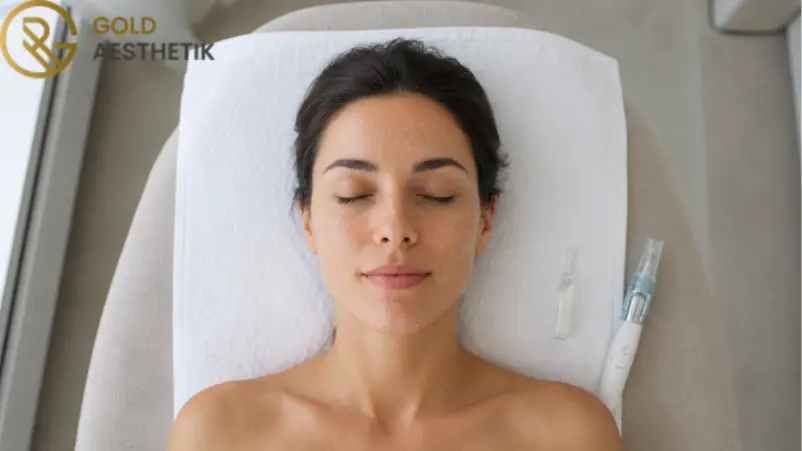
First Step: Consultation and Skin Analysis
During the initial consultation, the doctor examines the skin type, degree of dryness, dullness, lines, pigmentation spots, sensitivity, and the patient’s goal. Medical history, medications, allergies, herpes, and previous aesthetic treatments are also important.
Second Step: Selection of the Appropriate Product
After defining the treatment goal, the appropriate product is selected. Using a single product for all individuals, without considering skin conditions, is not an appropriate approach.
Third Step: Skin Cleansing and Preparation
The skin is cleansed and disinfected before injection, and if necessary, topical anesthesia may be applied. The choice of pain control method depends on the area and the treatment plan.
Fourth Step: Micro-injection
Controlled amounts of the product are injected at the planned sites. Depth, spacing, and number of injections depend on the product, the treatment area, and the goal of the session.
Fifth Step: Aftercare
After the injection, redness, mild swelling, sensitivity, bruising, or small bumps at the injection sites may occur. The doctor should provide information on appropriate care and symptoms that require follow-up.
How many sessions are necessary for facial mesotherapy?
The number of sessions is not the same for everyone. The initial condition of the skin, the product used, the treatment goal, and the response to the previous session determine whether one session is sufficient or if a course over several weeks is required.
In many programs, the first sessions are performed a few weeks apart, and then the result is re-evaluated. Continuing the treatment is not necessary solely based on reaching a certain number of sessions.
| Goal | General Approach | Decision Note |
|---|---|---|
| Mild hydration and vitality | A shorter program may suffice | Evaluate skin reaction |
| More severe dryness or dullness | A multi-week course may be considered | Also investigate underlying cause |
| General improvement of skin quality | Program based on product and individual response | Fixed number is not suitable for everyone |
| Maintenance of result | If needed and after evaluation | Not tied to a fixed calendar |
When is the result of facial mesotherapy visible?
Some individuals feel that their skin has become softer or more hydrated after the initial reaction subsides. However, the final result should not be judged immediately after the injection, as slight swelling and skin reactions can temporarily alter the appearance.
The improvement in skin quality and uniformity should generally be reviewed in the days and weeks thereafter. The speed of response varies individually, and the result is not permanent.
How long do the results of facial mesotherapy last?
The longevity is not a fixed quantity. The type of product, initial skin quality, treatment plan, sun exposure, tobacco use, and skincare can influence the duration of the changes.
The timing for a maintenance session should ideally be determined based on the actual skin condition, not on a predetermined date for all individuals.
What are the side effects of facial mesotherapy?
Redness, limited swelling, sensitivity, bruising, or small bumps at the injection site are reactions that may occur after treatment. Intensity and duration vary from person to person.
Since mesotherapy involves injections, infections and reactions to product components are also factors that must be considered when selecting the treatment center and adhering to sterile conditions.
Severe or increasing pain, unusual swelling, discharge, fever, or signs of an allergy require contact with the doctor and an appropriate assessment.
Care before and after facial mesotherapy
Care before mesotherapy
Before the session, inform your doctor about medications and supplements, allergies, herpes history, skin conditions, and other medical information.
If the skin shows sunburn, wounds, or active inflammation, its condition should be reviewed before treatment. The use of stimulating products or strong peels in the days leading up to the treatment should also be done after consulting with the doctor.
Aftercare after mesotherapy
Do not press or massage the injection site without medical instruction. The timing for washing, makeup, and returning to active skincare products should be determined based on the product and skin condition.
Until the initial reaction subsides, intense heat, sauna, strenuous exercise, direct sun exposure, and the self-administered use of exfoliating acids, retinol, or peels should be avoided.
| Phase | Appropriate Measure | Precaution |
|---|---|---|
| Before treatment | Disclosure of medications and medical history | Self-discontinuation of medication |
| On treatment day | Arrive with cleansed skin | Use of stimulating products |
| First few hours | Do not touch injection site | Massage and pressure |
| Following days | Gentle care and sun protection | Intense heat and peeling until healed |
| Unusual symptoms | Contact doctor | Self-treatment |
Is facial mesotherapy better than PRP?
Both methods can be considered in skin rejuvenation programs, but they do not have the same nature. In mesotherapy, the injected product is selected based on the formulation and treatment goal. In PRP, the material used is derived from the patient’s own blood, and the goal is to utilize platelet-rich plasma in the tissue regeneration process.
The choice between these two methods depends on the type of skin problem, medical history, patient expectations, and the doctor’s opinion. The number of sessions or the popularity of a method alone are not suitable criteria for decision-making.
To learn about the second method, you can also visit the PRP Face in Hamburg page.
Mesotherapy or Microneedling; which is better for the skin?
Microneedling and mesotherapy also do not have entirely identical goals. In microneedling, the creation of controlled micro-channels in the skin is the main component of the treatment process, while mesotherapy focuses on the micro-injection of the selected product.
For acne scars and certain structural irregularities, microneedling may be more appropriate, while for skin hydration and vitality, mesotherapy may be the more relevant option. The final choice should be based on the actual skin problem.
How are the costs for facial mesotherapy determined?
Treatment costs can depend on the type of product, the treated area, the amount of materials used, and the number of sessions required. Therefore, stating a flat rate without a defined treatment plan does not provide an accurate picture of the final costs.
When comparing treatments, one should not only focus on the price of a single session. The type of product, medical assessment, number of sessions, and aftercare are also important.
Frequently Asked Questions about Facial Mesotherapy
What is facial mesotherapy for?
It is primarily used for the gradual improvement of skin hydration, vitality, and external appearance. The exact application depends on the product used and the skin conditions.
Does facial mesotherapy lead to volume creation?
The main goal of mesotherapy is not significant volume creation. If the goal is to increase cheek volume or change facial shape, another method should be considered.
Does mesotherapy eliminate pigmentation spots on the face?
It cannot be considered a definitive treatment for all types of pigmentation spots. The cause of the pigmentation spots must first be clarified, and in some cases, mesotherapy is only part of a more comprehensive treatment plan.
How many facial mesotherapy sessions are necessary?
The number of sessions depends on the type of product, the treatment goal, and the skin’s response. Some individuals may require a shorter program, others a multi-week course.
When are the results of mesotherapy visible?
Some changes regarding suppleness or hydration may be noticeable sooner, but a more accurate assessment of skin quality should be made after the initial reaction subsides and sufficient time has passed.
Is mesotherapy suitable for sensitive skin?
It can be feasible for some individuals, but a history of sensitivities and skin reactions must be reviewed before treatment, and an appropriate product selected.
Facial Mesotherapy at Gold Aesthetik Hamburg
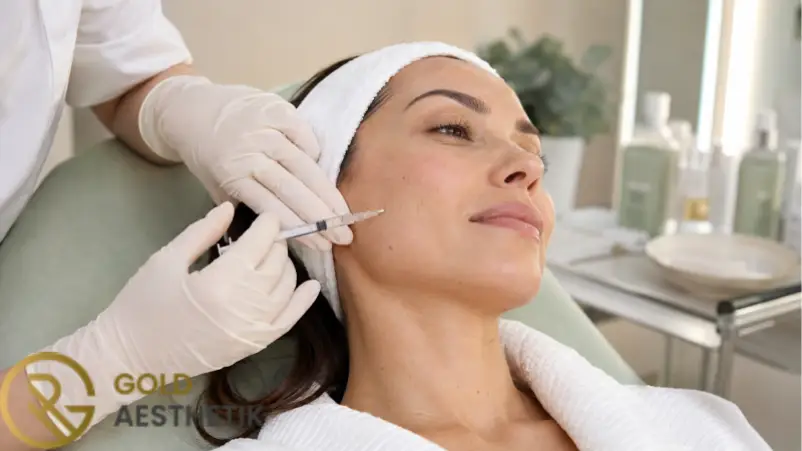
At Gold Aesthetik, facial mesotherapy is performed after reviewing skin quality, the patient’s goal, and medical history. The type of product and treatment plan must also be tailored to individual conditions.
Dr. Mohammadreza Haghdadeh, a specialist in vascular surgery and aesthetic medicine, works with the Gold Aesthetik team in Hamburg. The goal of the consultation is to determine whether mesotherapy truly meets the skin’s needs or if one of the other aesthetic-medical methods would be a more suitable choice.
The Gold Aesthetik practice is located at Barmbeker Str. 40, 22303 Hamburg-Winterhude. During the consultation, you can ask questions about the type of product, the number of sessions, possible side effects, aftercare, and the expected results.

