



Masseter Botox in Hamburg at a glance
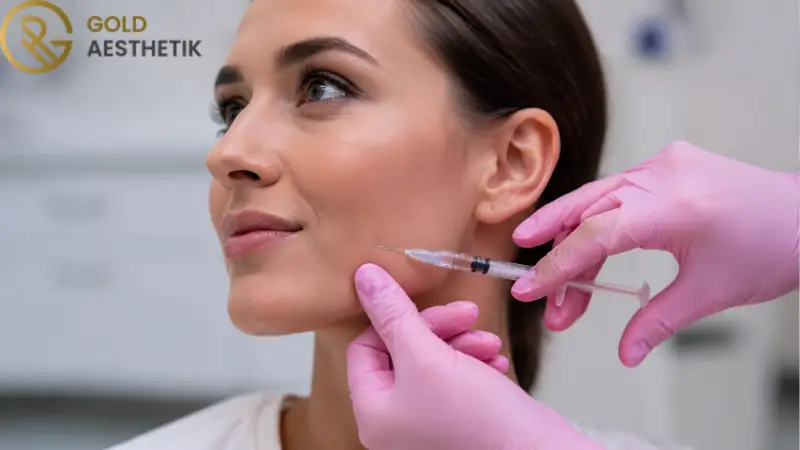
Masseter Botox is a minimally invasive method in which a defined amount of botulinum toxin type A is injected into the masseter muscle. This muscle is located on both sides of the jaw and plays an important role in chewing, biting, and clenching the teeth.
- Masseter Botox can temporarily reduce excessive contraction strength of the jaw muscles.
- In some individuals, this method is considered to reduce teeth clenching, muscular jaw pain, and enlargement of the masseter muscle.
- Botox does not always eliminate the underlying cause of teeth grinding, and additional dental treatment, a night guard, physiotherapy, or stress management may be required.
- If jaw width is due to muscle enlargement, gradual volume reduction of the masseter can make the lower face appear slimmer.
- Botox cannot change the jaw’s bone structure, chin shape, or tooth alignment.
- Relief of the muscles is usually noticed earlier than a visible change in the face.
- Results and duration of the treatment are not the same for everyone.
- An excessively high dose or an injection in the wrong location can lead to chewing muscle weakness, an asymmetrical smile, or an unwanted change in facial shape.
- The use of botulinum toxin for bruxism and for shaping the masseter muscle may be outside the product’s approved indication.
What is Masseter Botox and how does it affect the jaw muscles?
Masseter Botox refers to the controlled injection of botulinum toxin type A into one of the most important chewing muscles. The aim is to temporarily reduce excessive muscle activity—not to completely switch off the jaw or stop natural chewing movements.
This treatment can be performed with two different goals. In therapeutic use, the focus is on reducing clenching force, muscle pain, and symptoms associated with overactivity of the masseter. In aesthetic use, the goal is a gradual reduction in muscle size and a slimmer-looking lower face.
Masseter Botox is not suitable for everyone with teeth grinding, jaw pain, or a broad face. If the main cause lies in the temporomandibular joint, tooth misalignment, sleep disorders, inflammation, neurological conditions, or the bony structure, an injection alone may not resolve the problem.
| Topic | Explanation |
|---|---|
| Masseter muscle | One of the most important chewing muscles, located on both sides at the angle of the jaw |
| Injectable substance | Botulinum toxin type A, dosed according to muscle strength and product |
| Therapeutic goal | Reduction of strong contractions, jaw pressure, and muscle pain in selected patients |
| Aesthetic goal | Gradual reduction in muscle volume and a slimmer-looking lower face |
| Onset of effect | Usually begins over the following days and develops gradually |
| Duration | Temporary and dependent on muscle strength, dose, metabolism, and individual factors |
Where is the masseter muscle located and what is its function?
The masseter muscle is located on both sides of the face between the cheekbone and the angle of the jaw. When chewing, closing the mouth, biting, or clenching the teeth, it contracts and generates part of the force needed for jaw movement.
Under normal conditions, masseter activity is necessary for chewing. It becomes problematic when someone constantly clenches their teeth, grinds at night, or overuses the jaw muscle due to stress, frequent gum chewing, and certain habits.
Persistent muscle activity can be associated with jaw fatigue, facial pain, morning headaches, tooth sensitivity, enamel wear, or an increase in masseter volume. Some individuals also notice a gradual widening or a more “square” shape of the lower face.
Before the injection, the physician should clarify whether jaw width is predominantly muscular or bony. Botox affects muscle activity and volume and cannot correct the width of the jawbone, a receding chin, or tooth alignment.
How does Botox reduce masseter muscle activity?
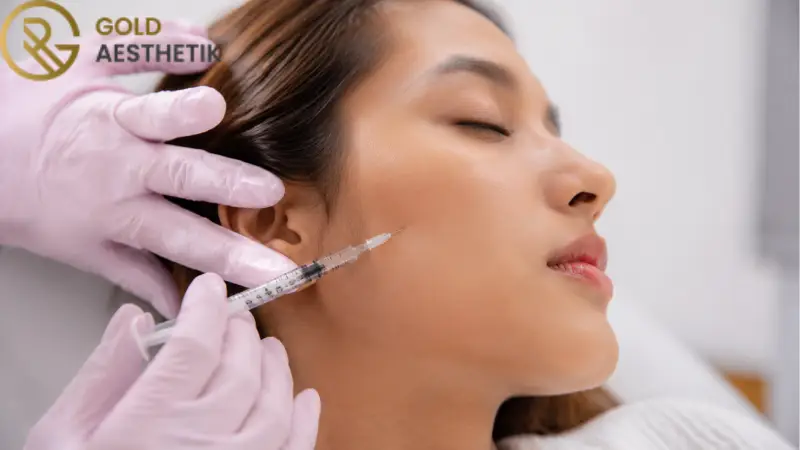
Botulinum toxin works by temporarily reducing nerve transmission in the injected muscle area. This decreases the masseter’s contraction strength, and the force generated during clenching or grinding may be reduced.
This reduction in activity does not mean complete paralysis of the jaw. With precise injection and appropriate dosing, the person should still be able to speak, eat, and perform natural jaw movements. The goal is to reduce overactivity while preserving necessary chewing function.
With a therapeutic goal, relief or reduced jaw fatigue may be noticeable sooner. If the aim is a slimmer facial contour, the muscle’s volume reduction takes more time, and visible change usually appears gradually over several weeks.
Difference between therapeutic and aesthetic use of Masseter Botox
Therapeutic and aesthetic use of Masseter Botox may overlap, but the success criteria are not identical.
Therapeutic use focuses on reducing muscle pain, clenching, fatigue when chewing, or symptoms caused by overactivity. Aesthetic use focuses on less masseter prominence and greater harmony in the lower face.
| Comparison criterion | Therapeutic use | Aesthetic use |
|---|---|---|
| Primary goal | Reduction of pressure and muscle overactivity | Slimmer-looking lower face |
| Success criterion | Less pain, fatigue, or clenching force | Gradual reduction in muscle volume and bulging |
| Timing of change | May be noticeable in the first days or weeks | Usually takes several weeks |
| Initial assessment | Evaluation of bruxism, pain, teeth, and TMJ | Assessment of muscle, bone, fat tissue, and facial proportions |
What effect does Masseter Botox have on teeth grinding?
Teeth grinding, or bruxism, involves grinding or clenching the teeth together and can occur during sleep or while awake. Some individuals are aware of this habit, but in many cases tooth wear or morning jaw tension is first identified by a dentist.
Masseter Botox can reduce muscle strength and thereby decrease pressure on the teeth and surrounding jaw tissue. However, the injection does not always reduce how often bruxism occurs or eliminate its underlying cause, and it may primarily affect contraction strength.
Stress, sleep disorders, certain medications, stimulant use, and behavioural habits can contribute to the development or worsening of bruxism. Therefore, when appropriate, Botox should be part of a more comprehensive treatment plan.
Is Botox a substitute for a night guard?
Botox and a night guard do not pursue exactly the same goal. A night guard (occlusal splint) is used to reduce direct tooth contact and protect enamel, crowns, and dental restorations. Botox can reduce the muscle’s contraction force, but it does not provide physical protection for the teeth.
In some individuals, the physician or dentist may recommend a combination of these methods. The choice of treatment should be based on the severity of teeth grinding, dental status, muscle pain, and the likely cause.
| Method | Main use | Limitation |
|---|---|---|
| Masseter Botox | Temporary reduction of muscle contraction strength | Does not always eliminate the underlying cause of bruxism |
| Night guard | Protection of teeth from pressure and wear | May not completely stop muscle activity |
| Jaw physiotherapy | Reduction of tension and correction of jaw movement patterns | Requires patient participation and consistency |
| Stress and sleep management | Control of certain aggravating factors | Gradual results, depending on the cause |
Difference between teeth grinding and temporomandibular joint disorder
Bruxism and a temporomandibular joint (TMJ) disorder can cause similar symptoms such as jaw pain, headaches, joint noises, and restricted movement, but they are not the same problem.
If the main source of pain lies in the joint, the disc, inflammation, or a structural malformation, a masseter injection cannot eliminate all symptoms. Jaw locking, pronounced joint noises, a sudden change in bite, or significantly limited mouth opening require more detailed evaluation.
Jaw pain can also be caused by dental problems, infections, gum inflammation, nerve pain, or other conditions. An injection should not be performed without clarifying the likely source of pain.
When should a dental visit take priority?
If teeth are broken, severely worn, sensitive, loose, or restorations have been damaged, a dental assessment should be scheduled. Botox cannot restore lost enamel or repair existing tooth damage.
Loud snoring, pauses in breathing during sleep, daytime sleepiness, or newly developed bruxism may also require evaluation for sleep disorders. In such cases, focusing exclusively on the masseter muscle may overlook the main cause.
Potential benefits of Masseter Botox for the jaw and face
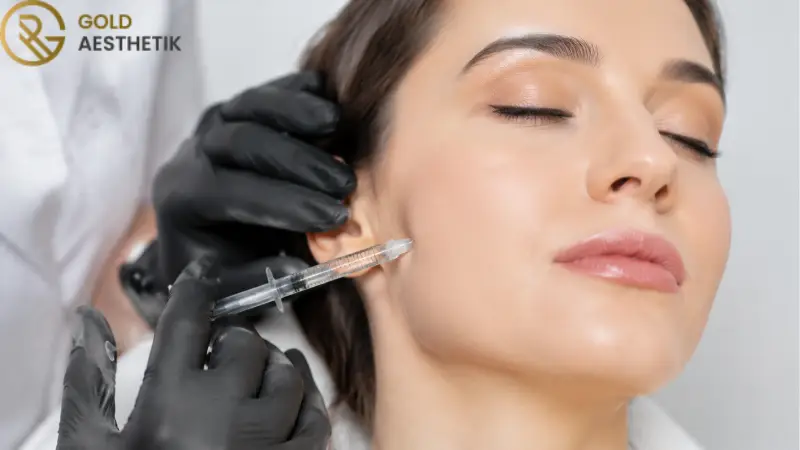
The outcome of Masseter Botox is not the same for everyone. In patients with a large and overactive muscle, this method may be helpful functionally or aesthetically.
| Problem or goal | Possible effect of Masseter Botox |
|---|---|
| Teeth clenching | Temporary reduction in contraction strength of the jaw muscles |
| Muscle pain in the jaw | Reduction of tension and muscle fatigue in some patients |
| Enlarged masseter muscle | Gradual reduction in muscle volume |
| Broad lower face | Slimmer-looking contour if the cause is muscular |
| Tension-type headaches due to jaw strain | May decrease due to reduced muscle contraction |
Reduction of muscle pain and contraction-related headaches
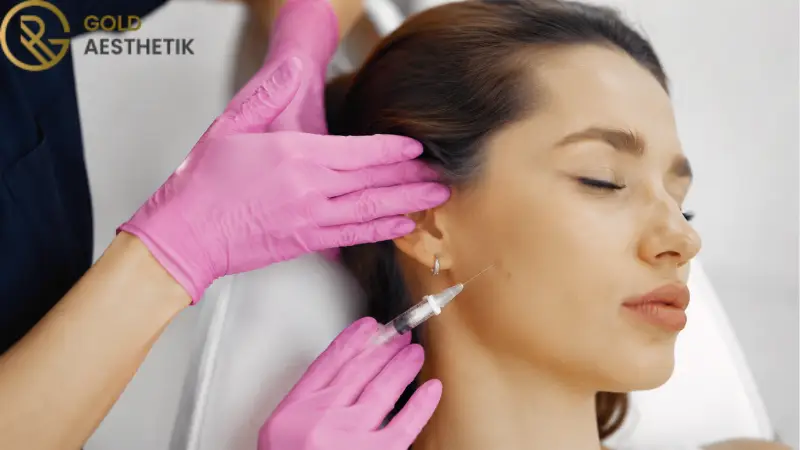
Overactivity of the masseter can cause pain in the jaw, cheek, temple, ear, or neck area. Some individuals also wake up with jaw cramps or morning headaches.
Lower contraction strength can reduce pressure on surrounding tissue and lead to less pain in some patients. However, headaches are not always jaw-related and may be associated with migraine, neck problems, or other conditions.
Reduction of muscle size and a slimmer-looking lower face
If the width of the lower face is due to enlargement of the masseter muscle, reducing muscle activity over time can lead to a decrease in volume. This change is gradual—unlike surgery, the facial shape does not change suddenly.
The extent of change depends on the muscle’s baseline volume, contraction strength, dose, bony structure, and skin characteristics. If the main cause of facial width is the jawbone, fat tissue, or chin shape, the aesthetic result will be more limited.
An excessive reduction in volume is not always desirable. Too high a dose or unfavourable repeat treatments can narrow the lower face too much, make tissue laxity more noticeable, or cause unwanted indentations.
Does Masseter Botox define the jawline?
Masseter Botox can reduce the muscular width of the lower face in some faces, but—unlike chin or jawline fillers—it does not create new volume or a new angle. If the main issue is a receding chin, skin laxity, or insufficient bony support, the result with Botox is limited.
Sometimes someone assumes the jaw is wide because of a large muscle, even though the bony structure or fat tissue plays the main role. A full facial analysis helps prevent unnecessary injections.
Who is a suitable candidate for Masseter Botox?
A suitable candidate is generally a person with clearly overactive or visibly enlarged masseter muscles, where the examination confirms that reducing muscle strength can support the therapeutic or aesthetic goal.
Signs that may make an assessment advisable include, among others:
- Teeth grinding or persistent teeth clenching
- Jaw pain and fatigue on waking
- Headaches associated with tension in the facial muscles
- Pronounced bulging of the masseter when clenching
- Widening of the lower face due to muscle enlargement
- Insufficient response to certain conservative treatments
A diagnosis based on appearance alone is not sufficient. Dental status, the TMJ, pain history, medications taken, sleep quality, and everyday habits should also be assessed.
Who should be particularly cautious or needs further evaluation?
Pregnant or breastfeeding individuals, patients with an infection at the injection site, and individuals with known hypersensitivity to botulinum toxin products should discuss their situation before treatment.
Neuromuscular disorders, swallowing or breathing problems, existing muscle weakness, and the use of certain medications can increase the risk of side effects.
Individuals with very weak facial muscles, significant laxity in the lower face, pre-existing asymmetry, or an active TMJ problem may require more detailed evaluation or a different method.
What does off-label use mean?
Off-label use means that a medication is used for an area or purpose that is not registered in the product’s official approval. This is not necessarily illegal or ineffective, but the physician should explain the available evidence, limitations, and alternatives.
Product type, dosage, and informed consent are very important. The units of different botulinum toxin products are also not directly interchangeable, and the dose cannot be assessed solely by comparing the number of units.
Procedure for Masseter Botox injections in Hamburg
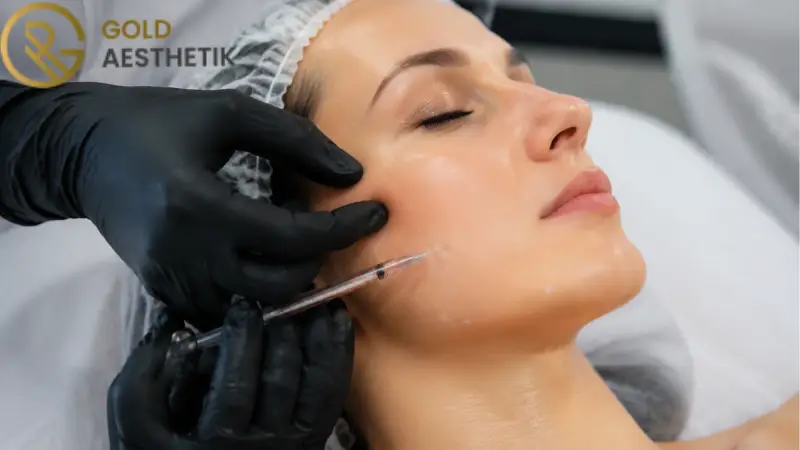
The process begins with a consultation and an examination of the jaw muscles. The physician asks about teeth grinding, pain, headaches, previous treatments, medications taken, and the patient’s goal.
The person is then asked to clench their teeth so that the masseter’s strength, volume, and symmetry can be assessed. If there are joint symptoms or tooth damage, a dental assessment may be recommended before the injection.
| Step | Measure performed | Why it matters |
|---|---|---|
| Consultation | Assessment of symptoms, goal, and medical history | Determining whether the treatment is suitable |
| Muscle examination | Assessment of masseter strength, volume, and symmetry | Defining dose and injection points |
| Injection planning | Marking the appropriate muscle area | Reducing the risk of asymmetry and unwanted weakness |
| Injection | Controlled injection with a fine needle | Reducing activity in the target area of the muscle |
| Follow-up | Assessment of the result after sufficient time | Checking symmetry, chewing function, and treatment response |
The right dose for each individual
The amount of botulinum toxin is not the same for everyone. Muscle strength, differences between the two sides of the face, treatment goal, product type, and injection history influence the dose required.
Too low a dose can lead to an insufficient result; too high a dose can cause chewing muscle weakness, a changed smile, or excessive narrowing of the lower face. Therefore, a fixed standard dose for all patients is not a sensible approach.
If both sides of the jaw have different strength or volume, identical dosing does not necessarily lead to better symmetry. The plan should be created based on the examination of each side.
How long does the injection take?
The injection itself usually does not take long and is performed with a fine needle. Most people feel only mild, short-lived pain and can return to many everyday activities after the session.
Anaesthesia or an inpatient stay is not required; however, it is important to follow the physician’s recommendations during the first few hours.
When is the result of Masseter Botox visible?
The result is not fully apparent immediately after the injection. The reduction in muscle activity usually begins over the following days, and initially you may notice less clenching force, less cramping, or less jaw fatigue.
More time is needed for a change in facial shape. The muscle’s volume reduction usually becomes visible gradually over several weeks, and the aesthetic result should only be assessed after sufficient time.
| Time period | Possible change |
|---|---|
| First days | Gradual onset of reduced muscle activity |
| Week 1 to 2 | Noticeably less pressure or cramping in some individuals |
| After a few weeks | More pronounced volume reduction and change in the lower facial contour |
| Follow-up appointment | Assessment of response, symmetry, chewing, and possible need for additional treatment |
How long does Masseter Botox last?
The effect of Masseter Botox is not permanent. Over time, neural control of the muscle is gradually restored, and contraction strength increases again.
Duration depends on muscle strength, dose, product type, metabolism, severity of teeth grinding, and the number of previous treatments. For many people, the effect lasts several months, but a uniform time period cannot be guaranteed for everyone.
The timing of a top-up should be determined based on the return of symptoms and the physician’s assessment. Injections that are repeated too early or unnecessarily high doses can affect the balance of the chewing muscles.
Evidence on the effects of repeated, long-term injections on chewing function and surrounding tissues is still limited. Therefore, treatment should not be repeated solely with the aim of a permanently slimmer facial shape and without functional monitoring of the jaw.
Possible side effects of Masseter Botox
Redness, mild swelling, bruising, tenderness, or short-term pain at the injection site may occur and are usually temporary.
Other possible side effects include chewing muscle weakness, fatigue when eating hard foods, facial asymmetry, temporary changes in the smile, bulging of part of the muscle when chewing, cheek hollowing, or excessive volume reduction in the lower face.
Repeated injections and high doses can have a greater impact on muscle strength and chewing function. The decision to repeat treatment should be made based on the previous result, the return of symptoms, and the examination.
| Possible side effect | Appropriate measure |
|---|---|
| Mild redness or bruising | Follow aftercare instructions and wait |
| Chewing muscle weakness or fatigue | Inform the physician if severe or persistent |
| Asymmetry or changed smile | Have it checked at the follow-up appointment |
| Hollowing or excessive narrowing | Review the dosage and wait for the effect to wear off gradually |
| Pronounced muscle weakness | Contact the physician promptly |
| Swallowing, speaking, or breathing problems | Seek medical help immediately |
Which symptoms require immediate evaluation?
Difficulty swallowing, shortness of breath, speech problems, pronounced muscle weakness, or a severe allergic reaction are not typical treatment-related complaints and require immediate medical evaluation.
Severe or increasing pain, significant swelling, fever, or signs of infection at the injection site should also be discussed with the physician without delay.
Aftercare following a Masseter Botox injection
Aftercare recommendations may vary depending on the product, dose, and individual situation. The treating physician’s instructions take precedence.
- Do not press on or massage the injection site without medical advice.
- Avoid frequently touching the jaw area during the first few hours.
- Limit intense physical activity on the day of treatment.
- Avoid saunas, hot tubs, and intense heat for the recommended period.
- Do not stop medications without consultation and do not change them on your own.
- Monitor changes in chewing, smiling, and facial symmetry during the first few days.
- If you experience severe pain, unusual weakness, difficulty swallowing, or shortness of breath, please seek help immediately.
A follow-up appointment helps assess the extent of activity reduction, symmetry on both sides, chewing function, and changes in symptoms. A decision about an additional injection should not be made in the first few days and not before the full effect has developed.
How are the costs for Masseter Botox in Hamburg calculated?
The costs for Masseter Botox in Hamburg are not the same for everyone. The required amount, muscle strength, differences between both sides of the jaw, product type, treatment goal, and aftercare services can influence the cost.
Compared with some aesthetic facial areas, the masseter muscle is larger and stronger and may therefore require a different amount of botulinum toxin. For this reason, the price for jaw Botox should not be compared directly with Botox in a small area such as the glabella.
When requesting a cost estimate, ask for the product name, the proposed dose, whether one or both sides will be treated, the follow-up appointment, and the conditions for an additional injection. Comparing only the number of units can be misleading.
The use of botulinum toxin for teeth grinding may be outside the product’s approved indication, and insurance coverage is not guaranteed. Payment terms should be clarified with the insurer and the provider before treatment.
Choosing the right practice for Masseter Botox in Hamburg
Masseter Botox should be performed by a physician who is familiar with the anatomy of the jaw muscles, the course of the muscles around the mouth, and the differences between muscular problems and TMJ disorders.
A professional consultation should cover the treatment goal, muscle strength, facial symmetry, history of teeth grinding, dental status, as well as medical conditions and medications taken. If a dental or TMJ assessment is necessary, this should be discussed before the injection.
For Persian-speaking individuals in Hamburg and Germany, the ability to describe symptoms precisely and understand the limitations of treatment can support a more informed decision. A reputable practice should not guarantee complete freedom from pain, a full cure for teeth grinding, or a uniform facial shape.
When choosing a practice, you may ask the following questions:
- Is my jaw width muscular or bony?
- Is my pain coming from the masseter muscle or from the TMJ?
- Is my goal pain relief or a change in facial shape?
- Do I need a dental examination before the injection?
- Which product is being used, and why is it suitable for me?
- When will the result and chewing function be checked?
- Which side effects require prompt contact with the physician?
To compare Botox with other facial contouring methods, you can view the page Aesthetic Medicine in Hamburg. The choice between Botox, fillers, or another method should be based on the actual cause of the jaw appearance.
Frequently asked questions about Masseter Botox
Does Masseter Botox completely cure teeth grinding?
No. The injection can reduce the muscle’s contraction strength, but it does not always eliminate the underlying cause of bruxism. An occlusal splint, dental treatment, sleep assessment, and stress management may still be necessary.
Does Masseter Botox make the face slimmer?
Only if part of the width of the lower face is due to enlargement of the masseter muscle can volume reduction make the lower face appear slimmer. Bone or facial fat tissue is not changed by this.
Does the injection cause problems when eating?
A properly performed treatment should not eliminate normal chewing function; however, temporary weakness or fatigue when chewing hard foods may occur. The risk depends on the dose and injection site.
Is Masseter Botox suitable for TMJ pain?
If the pain is predominantly muscular, reducing masseter activity may be helpful. If the cause lies in the joint, the disc, or the jaw structure, the masseter injection may have only limited effect.
Do both sides of the jaw have to be treated with the same dose?
Not necessarily. Strength and volume can differ between the two sides. The dose should be determined per side based on the examination and the treatment goal.
Can you have aesthetic Botox in the face at the same time?
That depends on the product, total dose, injection points, and the individual situation. The physician should review the total dose and the risk of unwanted muscle weakness.
When can the treatment be topped up?
The timing depends on the return of symptoms, muscle strength, and the result of the previous treatment. Repeating treatment solely at a fixed interval without an examination is not recommended.
Gold Aesthetik: personalised consultation for jaw Botox
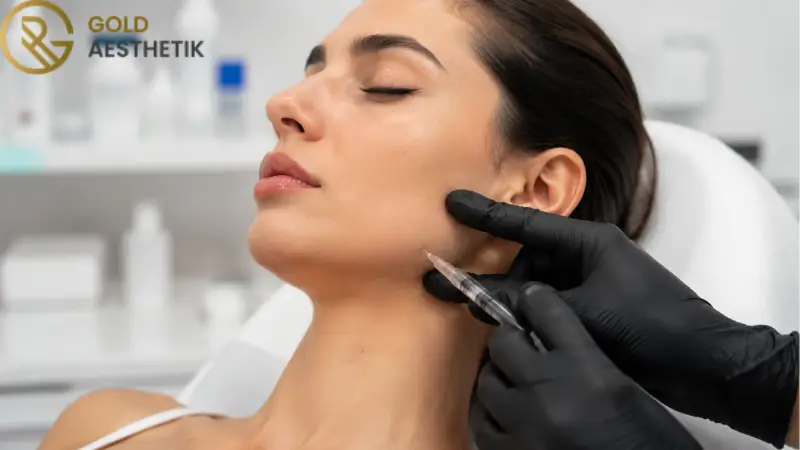
Gold Aesthetik is located at Barmbeker Str. 40, 22303 Hamburg-Winterhude and offers aesthetic medical services following consultation and individual assessment.
Masseter Botox is not only about making the jaw smaller. First, it must be clarified whether the symptoms are related to overactivity of the muscle and whether this method can deliver a sensible, appropriate result.
The result depends on muscle strength, the cause of the symptoms, dose, product type, and the body’s individual response. Pain relief, shape change, and duration will not be the same for everyone.
Conclusion: Who is Masseter Botox in Hamburg suitable for?
Masseter Botox in Hamburg may be considered for some individuals with a large and overactive jaw muscle, teeth clenching, or muscular pain. The method temporarily reduces muscle activity and—if jaw width is muscular—can make the lower face appear slimmer.
Botox is not a causal treatment for all forms of teeth grinding and TMJ pain. A night guard, dental assessment, treatment of sleep disorders, physiotherapy, and stress management may still be part of the treatment plan.
For a more natural result and to reduce the risk of side effects, appropriate dosing, precise anatomical knowledge, and monitoring of chewing function are important. The final decision should be made after examination, individual assessment, and defining the treatment goal.

