




Profhilo Classic and Profhilo Structura are both injectable hyaluronic acid-based products, but they were not developed for the same therapeutic goal. The main difference lies in the target tissue, product properties, and the type of change to be achieved. Profhilo Classic focuses primarily on skin quality, hydration, firmness, and elasticity, while Profhilo Structura is designed for the regeneration and support of facial adipose tissue and for changes in declining deep tissue support.
Therefore, it cannot be said that Profhilo Structura is fundamentally better or “stronger” than Profhilo Classic. The choice between the two should be made based on skin condition, facial shape, extent of adipose tissue loss, degree of laxity, history of previous treatments, and individual expectations of the result. In some individuals, the physician may also consider a staged application of both approaches or an alternative method more appropriate.
What is the difference between Profhilo Classic and Profhilo Structura?
Profhilo Classic is primarily considered for individuals whose main concern is declining skin quality, dehydration, dull complexion, reduced elasticity, or superficial skin laxity. The goal of the treatment is not direct volume enhancement of individual facial areas; rather, the product distributes in the tissue and supports improvement of skin properties in the sense of bioremodelling.
Profhilo Structura has a different application. This product is designed for action in facial adipose tissue and comes into focus particularly when age- or weight-related changes have led to less support in certain facial areas, a “more hollow” midface, or contour changes.
Therefore, it is incorrect to compare these two solely based on hyaluronic acid quantity. The physician should first determine whether the main problem lies at the skin level or whether changes in deeper tissue layers more strongly influence the appearance.
How does Profhilo Classic work?
Profhilo Classic is a hyaluronic acid product aimed at skin bioremodelling. In common facial protocols, the product is injected at defined points so it can distribute in the tissue. The focus is on improving properties such as hydration, firmness, elasticity, and overall skin appearance.
Therefore, Profhilo Classic should not be regarded as a volume-building filler. This method is not intended to build pronounced cheeks, visibly project the chin forward, or directly shape the jaw angle. If the main goal is a shape and volume change in a clearly defined area, the physician may consider a different treatment.
The result of Profhilo Classic is also typically gradual. In the weeks following treatment, improvement in hydration, suppleness, firmness, or overall skin appearance may be noticed—however, the extent of change varies individually.
How does Profhilo Structura work?
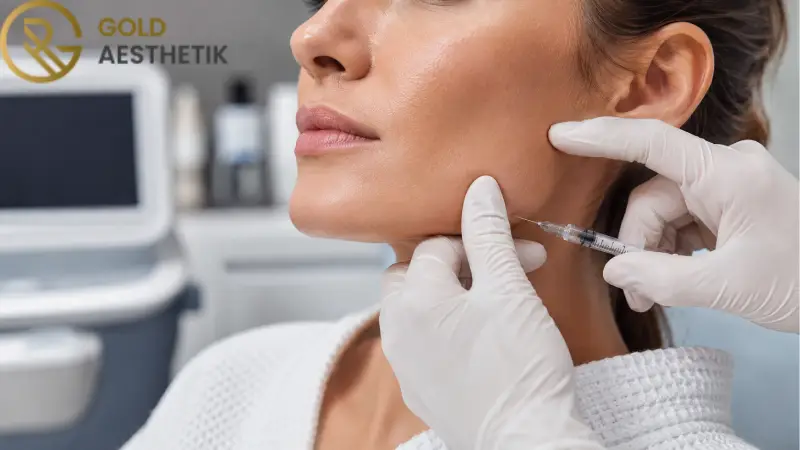
Profhilo Structura is designed for facial adipose tissue and pursues a different goal compared to Profhilo Classic. The physician focuses on deeper facial changes and the condition of fat compartments during this treatment—areas that may lose volume or change position through aging or weight loss.
The goal of Structura is not focal volume like a classic filler. The expected result tends toward better tissue support and a natural facial contour. Therefore, it may be a possible treatment option for individuals whose face appears “hollow,” narrower, or less supported.
The extent of changes is crucial. In cases of significant volume loss, severe laxity, or the need for clear structural change, Structura is not necessarily a replacement for fillers, skin-tightening devices, or surgical procedures.
Differences in injection level and technique: Profhilo Classic vs. Structura
One of the most important differences concerns the target tissue. Profhilo Classic is used in facial protocols focusing on skin bioremodelling—often with techniques such as BAP. Structura, on the other hand, is developed for application in facial adipose tissue, and the injection technique is not identical to Profhilo Classic.
In the Structura protocol, assessment of the anatomy of the middle and lateral face is particularly important; depending on the facial pattern, cannulas and appropriate injection pathways may be used. The precise technique, entry points, and product quantity should be determined individually by the physician based on the respective anatomy.
| Feature | Profhilo Classic | Profhilo Structura |
|---|---|---|
| Main goal | Bioremodelling and improvement of skin quality | Bioremodelling of facial adipose tissue |
| Target tissue | primarily skin and dermis | Facial adipose tissue |
| Registered product concentration | 64 mg hyaluronic acid in 2 ml | 90 mg hyaluronic acid in 2 ml |
| Known technique | BAP in some facial protocols | Techniques appropriate to Sinker or Sagger pattern |
| Typical injection instrument in protocol | Needle | Cannula |
| Expected type of change | Improvement of skin quality, hydration, and firmness | Improvement of tissue support and natural facial contour |
Is Structura a stronger version of Profhilo Classic?
No. The assumption that Profhilo Structura is merely the “stronger” version of Profhilo Classic does not accurately represent the differences between the two products. While Structura does contain more hyaluronic acid in the 2 ml syringe, more crucial are the product properties, target tissue, and application protocol.
If the main problem is lack of hydration, skin laxity, and declining firmness and skin quality, Profhilo Classic is more aligned with the therapeutic goal. If changes in facial adipose tissue and a greater loss of deep support are in the foreground, Structura may be considered.
When reduced skin quality is accompanied by volume loss or structural changes, the therapeutic decision becomes more complex. In such cases, a staged or combined plan may be more appropriate than choosing exclusively one of the two products.
If there is also a clearly defined volume goal for the cheek, chin, or other areas, the comparison of Structura with a classic filler gains significance. The article Profhilo or Filler explains the differences between bioremodelling and targeted volume enhancement in more detail.
Overall comparison: Profhilo Classic vs. Structura
| Criterion | Profhilo Classic | Profhilo Structura |
|---|---|---|
| Main focus | Skin quality and bioremodelling | Adipose tissue and deeper facial support |
| Common problem that can be assessed | Lack of hydration and declining firmness and elasticity | Decline of adipose tissue and facial support |
| Direct volume enhancement like filler | not the main goal | not the main goal |
| Type of result | gradual improvement of skin quality | gradual improvement of support and facial contour |
| Selection by age | No, tissue condition is more important | No, the pattern of facial changes is more important |
For whom is Profhilo Classic suitable—and for whom Structura?
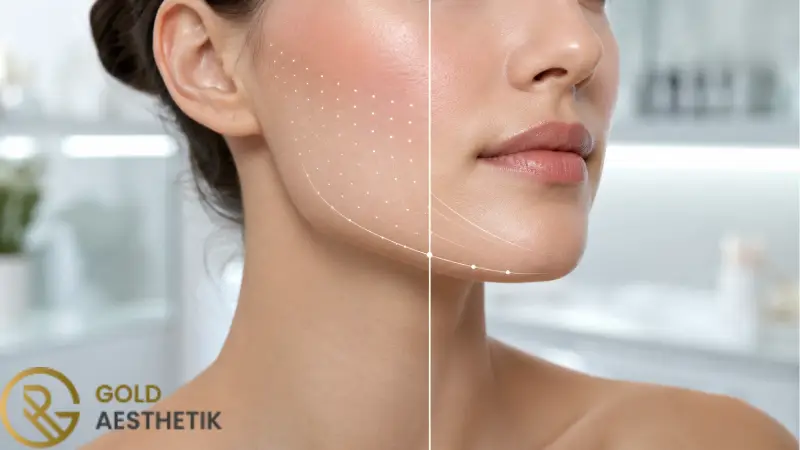
The decision between Profhilo Classic and Profhilo Structura should be made according to which tissue has the greatest influence on the current appearance of the face. For one person, reduced skin quality may be the main issue, while for another, changes in fat compartments and loss of support in the midface may carry more weight.
This assessment is part of a more comprehensive selection among skin rejuvenation methods in Hamburg, as not every form of skin laxity, volume loss, or age-related change can be treated with just one injection.
When is Profhilo Classic the more appropriate choice?
Profhilo Classic is primarily considered when the main goal is improvement of skin quality and there is no specific need for structural volume augmentation. Individuals with lack of hydration, declining firmness, superficial laxity, or a tired skin appearance may fall into this group.
This method may also be considered for individuals who do not desire a clearly visible change in facial proportions. The expected result should be defined more as improvement of skin structure and quality—not as building pronounced cheeks or a larger chin.
If the main problem is significant volume loss, severe laxity, or lines resulting from profound structural changes, Profhilo Classic alone may not be sufficiently effective.
When is Profhilo Structura the more appropriate choice?
Structura is more likely to be assessed in individuals showing signs of decline in adipose tissue and deep facial support. These changes may be visible in the cheek area, midface, and lateral facial regions and can cause the face to appear “hollow” or the lower facial area to seem less supported.
Significant weight loss can also alter the shape of facial adipose tissue. However, a lean face does not automatically mean Structura is suitable—the physician must clarify which tissue is actually causing the current situation.
If the patient’s goal is clear volume augmentation in a specific area, a filler treatment may be functionally closer to the goal. Structura should not be presented as a direct replacement for every type of filler.
What do Sinker and Sagger face mean in the Structura protocol?
In the context of Profhilo Structura, the terms Sinker and Sagger are used to describe two different patterns of facial changes. These are not independent medical diagnoses, but terms that help the physician better assess the pattern of adipose tissue loss and shape change.
In the Sinker pattern, the decline or atrophy of adipose tissue in certain areas can lead to a “more hollow” and sunken appearance. In the Sagger pattern, declining tissue support in areas such as preauricular and zygomatic regions may be accompanied by greater descent of the lower face.
An individual may not fit clearly into one of the two groups and may present a combination of changes. Therefore, the choice of injection technique should not be made solely based on a visible sign.
Treatment selection for dryness, laxity, and volume loss in the face
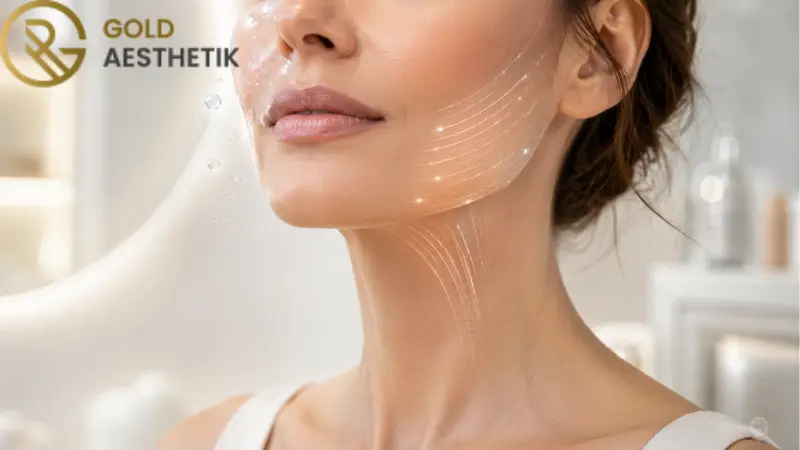
If the main issue is skin quality, Profhilo Classic usually fits the therapeutic goal better. If the problem is predominantly related to loss of adipose tissue support, Structura may be the more appropriate option.
“Laxity” is also not a uniform term: limited skin loosening differs from significant descent of facial tissues. If the main goal is lifting and tightening of tissue, the physician may also examine methods such as HIFU or other rejuvenation options.
For laxity requiring more support, comparison of other methods is also important. The article Thread Lift or HIFU explains why the extent of laxity and tissue type can change the treatment choice.
| Dominant problem | Assessable method | Main goal |
|---|---|---|
| Lack of hydration and reduced skin quality | Profhilo Classic | Skin bioremodelling |
| Declining firmness and elasticity | Profhilo Classic | Improvement of overall tissue quality |
| Decline of facial adipose tissue | Profhilo Structura | Support of adipose tissue and soft facial structure |
| Need for focal volume augmentation | Filler in suitable individuals | Building volume or clear contour |
| More pronounced tissue laxity | Assessment of additional methods required | Method selection appropriate to extent of laxity |
| Combination of multiple problems | Staged or combined plan | Address each factor specifically and separately |
Is age an appropriate criterion for choosing between Profhilo and Structura?
Age alone is not a precise selection criterion. A younger person may show changes in facial adipose tissue after significant weight loss, while an older person may still have good volume structure but face declining skin quality and elasticity.
More important is the actual condition of the face: skin quality and thickness, distribution of adipose tissue, bony structure, extent of laxity, history of previous treatments, and expectations of the result.
Is Profhilo Structura better or a filler?
Structura and fillers may both be based on hyaluronic acid, but this similarity should not lead to the conclusion that they work the same way. Hyaluronic acid fillers are typically designed for volume augmentation or contouring in a clearly defined area, while Structura is used with a focus on bioremodelling of facial adipose tissue.
If the patient desires clear cheek enhancement, chin correction, or jawline shaping, the physician may consider a filler. For example, with jaw contouring with filler, the main goal is emphasis of the jaw contour—this goal does not correspond to the mechanism of action of Structura.
Conversely, an individual who does not desire significant focal volume but shows age-related loss of tissue support may be a different candidate for Structura. The final decision should be made based on anatomy and the actual therapeutic goal.
Longevity and number of sessions for Profhilo Classic and Structura
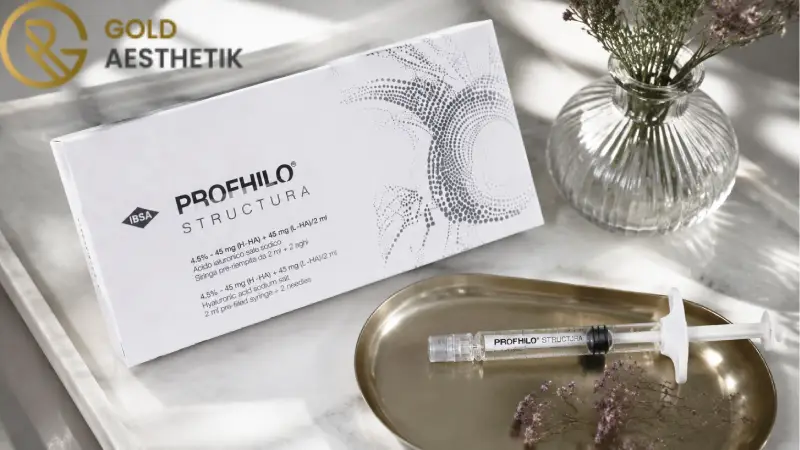
The result of both treatments should be assessed as a gradual development. The appearance on the day of injection is not the final result, as an initial tissue reaction and slight swelling at the injection sites may occur in the first days.
The number of sessions and intervals should also be determined based on the product protocol and individual situation. For Profhilo Classic, an initial series of two sessions approximately one month apart is considered a known protocol. The Structura plan should be determined by the physician depending on the extent of changes and individual response.
When do you see the results of Profhilo Classic?
The changes from Profhilo Classic appear gradually. Improvements in hydration, firmness, and skin quality often become more visible in the weeks following treatment; assessment should occur after completion of the initial series and after sufficient time.
Expecting an immediate and clearly visible change in facial shape does not match the character of this treatment. If the goal is a clear contour or volume change, this should be discussed with the physician before beginning treatment.
When do you see the results of Profhilo Structura?
With Structura as well, tissue reaction and contour change are assessed gradually. Published studies on this product report visible changes in the midface and facial tissues at follow-up, but the extent and speed of response are not the same for all individuals.
Therefore, the treatment result should be better assessed in follow-up appointments and in comparison to one’s own baseline findings—rather than through daily comparisons or based on images of other individuals.
How long do Profhilo Classic and Structura last?
For neither product can a fixed duration guaranteed for everyone be stated. Skin type, age, metabolism, condition of facial tissues, weight changes, and treatment plan can influence the duration of the result.
Rather than repeating treatment on a rigid schedule, the gradual loss of effect and the actual need of the tissue should be assessed by the physician. The guide Longevity of Profhilo and number of sessions addresses this topic more specifically.
Which factors can influence the longevity of the result?
| Factor | Significance for the result |
|---|---|
| Baseline skin condition | The extent of firmness and quality loss can influence how visible the change is |
| Condition of adipose tissue | More important for selection and result assessment with Structura |
| Weight changes | can alter shape and distribution of facial adipose tissue |
| Age and natural aging process | continues changes in skin and deeper tissues |
| Lifestyle and sun exposure | influence overall skin quality |
| Treatment plan | Number and timing of sessions should be adapted to individual situation |
Are maintenance sessions necessary?
Maintenance sessions do not occur at a fixed interval for all individuals. The appropriate time for reassessment should be determined based on skin or tissue status, remaining effect, and individual goal.
More injections or earlier repetition than necessary does not necessarily lead to a better result. Regular medical follow-ups help clarify whether continuation of the same treatment is appropriate or whether the needs of the face have changed over time.
Side effects and safety information: Profhilo Classic and Structura
Both are medical injection treatments and should be performed by a qualified physician. Pain or tenderness at the injection site, swelling, redness, and bruising may occur after treatment; the severity usually depends on region, technique, and individual factors.
Pre-existing conditions, allergies, medications taken, previous injection treatments, and active inflammation or infection in the treatment area should be discussed with the physician before injection. Prescribed medications should also not be discontinued without medical consultation.
Correct choice of injection level and technique is particularly important—especially with Structura, as the treatment relates to deeper facial tissues. If severe or increasing pain, unusual skin discoloration, or unexpected symptoms occur after injection, the treating physician should be contacted.
When might neither method be the first choice?
If the main problem is severe laxity, the need for clearly defined volume augmentation, a larger structural change of the face, or another issue that does not match the goals of Profhilo Classic or Structura, the physician may recommend a different method.
For example, with certain forms of laxity, a thread lift or other procedures may be included in the assessment. This does not mean one treatment is “better,” but that the method choice should be based on the cause of facial changes.
Profhilo Classic or Structura—what is ultimately better?
If the main goal is improvement of skin quality, hydration, firmness, and elasticity, Profhilo Classic usually fits the need better. If the main problem is decline of adipose tissue and deep facial support, Profhilo Structura may be the more appropriate option to assess.
If reduced skin quality, volume loss, and laxity are present simultaneously, the answer to the question “What is better?” becomes more complex. The physician may create a staged plan or recommend an additional method alongside one of these treatments.
| Main situation | Possible treatment option |
|---|---|
| Lack of hydration and reduced skin quality | Profhilo Classic |
| Declining firmness and elasticity | Profhilo Classic |
| Decline of facial adipose tissue | Profhilo Structura |
| “More hollow” midface due to adipose tissue changes | Structura after medical assessment |
| Need for clearly defined, focal volume augmentation | Assessment of fillers |
| Significant laxity | Assessment of additional rejuvenation and lifting methods |
| Combination of multiple problems | Individual or staged treatment plan |
Profhilo and facial rejuvenation at Gold Aesthetik Hamburg
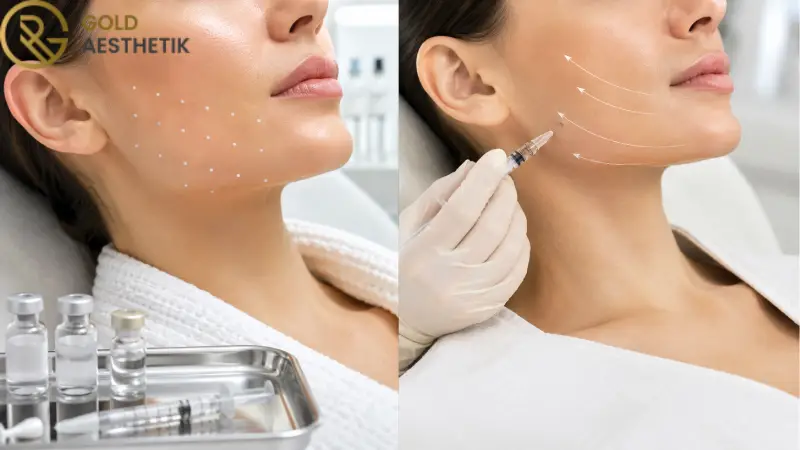
At Gold Aesthetik Hamburg, the choice of a rejuvenation treatment is not made solely based on the name of a product. Skin condition, adipose tissue, bony structure, extent of laxity, and the patient’s goal are assessed to determine whether Profhilo Classic, Structura, or another method better suits the individual situation.
Dr. Mohammadreza Haghdedeh and the team at Gold Aesthetik assess various treatments in the field of aesthetic medicine in Hamburg—including Profhilo, Botox, fillers, and other rejuvenation methods—based on individual assessment.
The goal of the consultation is to align expectations with the realistic possibilities of each method. Profhilo Classic is not intended to replace a volume-building filler, and Structura is not suitable for every form of laxity or volume loss. A conservative, anatomy-based selection can help preserve natural facial features.
The practice of Gold Aesthetik is located at Barmbeker Str. 40, 22303 Hamburg-Winterhude. During the consultation, you can discuss with the physician the differences between Profhilo Classic and Profhilo Structura, the number of sessions, expected results, and other rejuvenation options appropriate to your situation.

