



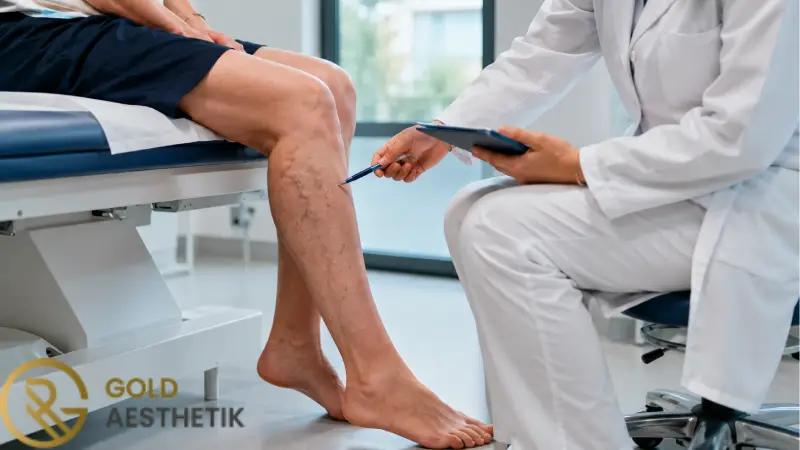
What exactly are varicose veins and when should treatment be considered?
Varicose veins are a common vascular problem of the legs, caused by the enlargement and twisting of superficial veins. Many people only take them seriously when the veins become prominent, painful, or visually bothersome; however, varicose veins are not always just a cosmetic problem and can be a sign of impaired venous return.
If the valves in the veins do not function properly, some of the blood collects in the legs instead of flowing regularly back to the heart. This condition can gradually lead to increased pressure in the vessels, a feeling of heaviness in the legs, swelling, pain, itching, skin discoloration, and the protrusion of veins.
For individuals seeking varicose vein treatment in Hamburg, early diagnosis is of great importance. The choice of the appropriate method should be based on vein size, symptom severity, examination results, blood flow, and individual medical conditions; therefore, no single method can be recommended for all patients.
Varicose Vein Treatment at a Glance
- Varicose veins can affect the appearance of the legs, as well as cause pain, swelling, and impact quality of life.
- Spider veins are not the same as prominent varicose veins and deep vein diseases.
- Examination and, in many cases, Doppler ultrasonography are important for choosing the right treatment.
- Sclerotherapy, endovenous laser, radiofrequency, and phlebectomy have different areas of application.
- Compression stockings and lifestyle changes can alleviate symptoms but generally do not remove existing veins.
- Aftercare and medical monitoring influence the final outcome.
- Sudden pain, unilateral swelling, shortness of breath, or severe redness require prompt medical examination.
What are varicose veins and why do they develop?
Small valves are located in the leg veins that support blood flow to the heart and prevent it from flowing back into the lower leg areas. If these valves are weak or damaged, blood remains in the vein, and the pressure in the vein increases. This sustained pressure can cause the vein to enlarge, twist, and protrude.
Genetics, older age, prolonged standing or sitting, pregnancy, obesity, lack of exercise, a history of blood clots, and certain hormonal changes can increase the risk of varicose veins. However, the presence of a risk factor does not necessarily mean disease, and the severity of the condition varies from person to person.
Varicose veins do not only affect women or older people. Men, young people, and individuals who stand or sit for long hours without movement due to their occupation can also develop impaired venous return.
Are varicose veins merely a cosmetic problem or a sign of a venous disorder?
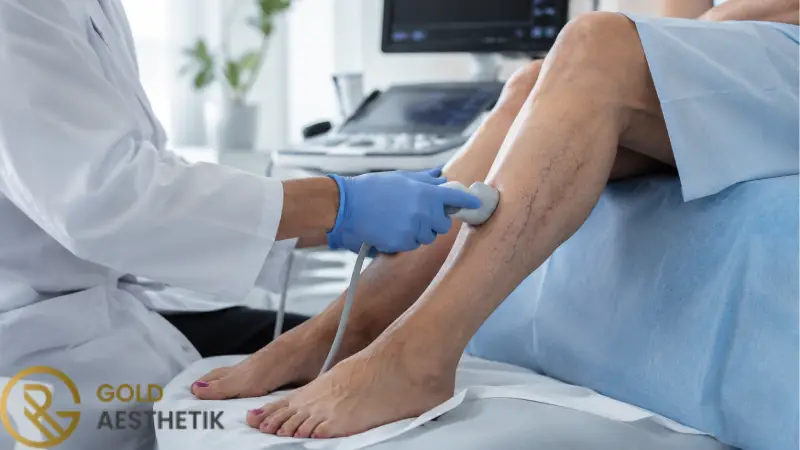
Blue, purple, or prominent veins on the lower leg and thigh may initially only represent a cosmetic problem, but from a medical perspective, some of these veins are a sign of venous insufficiency. In this condition, the system of blood return from the legs to the heart does not function properly.
In mild stages, the person may only notice visible veins. As the problem progresses, the likelihood of leg heaviness, premature fatigue, ankle swelling, itching, burning, nocturnal cramps, pain, and skin changes increases.
For this reason, before treating visible veins, it must be clarified whether the problem is limited to superficial capillaries or if a more significant vein shows blood reflux. Treating superficial veins without addressing the root cause can lead to persistent symptoms or the reappearance of visible veins.
Important Varicose Vein Symptoms That Should Not Be Ignored
The appearance of veins is not the only symptom of varicose veins. Some people experience a feeling of pressure, dull pain, fatigue, or heaviness in the legs even before the veins become clearly prominent. These symptoms usually worsen at the end of the day, after prolonged standing, or in warm weather, and can be relieved by elevating the legs.
Itching around the vein, nocturnal calf cramps, a feeling of tension, ankle swelling, and skin discoloration can also be related to vein disease. The intensity of these signs does not always correlate with the visible size of the vein; therefore, medical assessment is not based solely on the appearance of the leg.
| Sign or Condition | Possible Explanation | Appropriate Action |
|---|---|---|
| Prominent and Twisted Veins | Possibility of superficial varicose veins or involvement of vein branches | Examination and assessment of symptom severity |
| Heaviness and Fatigue in the Legs at the End of the Day | Possibility of impaired venous return | Medical assessment and lifestyle changes |
| Swelling of the Ankle or Lower Leg | Need for clarification of cause and exclusion of other problems | Doctor’s visit, especially for persistent swelling |
| Pain, Redness, Warmth, or Inflammation of the Vein | Possibility of phlebitis or vascular complication | Immediate medical examination |
| Thin Red or Purple Veins | Spider veins or superficial capillaries | Choice of treatment after clarifying the condition of the main veins |
| Skin Discoloration, Dryness, or Ulcers | Possibility of more advanced vein disease | Prompt visit for specialized assessment |
When should varicose vein treatment be considered?
The presence of a visible vein without pain does not always mean an immediate need for treatment, but if the veins are accompanied by pain, itching, swelling, heaviness, nocturnal cramps, or activity limitations, a medical examination should be performed. Skin discoloration around the ankle, recurrent phlebitis, and ulcers are also reasons that make a visit more important.
The right time for treatment is not only determined by the size of the vein. Some large veins may show few symptoms, while smaller veins can cause significant pain or inflammation. A history of clots, future pregnancies, the type of work, and previous treatments also play a role in scheduling the treatment.
Early treatment does not always mean immediate laser treatment or injection. Sometimes, after examination, lifestyle changes, the use of appropriate compression stockings, and adequate aftercare are sufficient. In other cases, the presence of blood reflux or skin changes may make specialized treatment more appropriate.
Which symptoms require immediate medical examination?
Sudden swelling of a leg, severe and new pain, extensive redness and warmth, hardening and tenderness along the course of the vein, bleeding from varicose veins, skin ulcers, or a rapid increase in swelling should not be ignored. These signs may not be limited to simple varicose veins and require prompt examination.
If leg pain or swelling is accompanied by shortness of breath, chest pain, coughing up blood, dizziness, or sudden weakness, emergency medical attention should be sought immediately. Self-treatment or delaying a doctor’s visit can be dangerous under such circumstances.
Difference between Varicose Veins, Spider Veins, and Superficial Capillaries
Varicose veins are generally larger, more prominent, twisted, and sometimes palpable. These veins occur more frequently on the calf, popliteal fossa, or thigh and can be accompanied by pain, heaviness, pressure, or swelling.
Spider veins and superficial capillaries are thinner and appear as red, blue, or purple lines on the skin. For many people, these veins are primarily a cosmetic concern, but they can sometimes occur together with a deeper venous disorder.
The treatment method cannot be chosen based solely on the color or size of the vein. For example, a vein that appears small on the skin surface may be fed by a larger vein branch. Therefore, cosmetic vein treatment should be performed after reviewing the patient’s medical history and vascular status.
Who is most affected by varicose veins?
Family history is an important factor in the development of varicose veins. Individuals whose parents or close family members have varicose veins may have a greater predisposition to weakness of the vein wall or valves.
Occupations involving prolonged standing or sitting can also place increased pressure on the leg veins. Hairdressers, salespeople, medical personnel, drivers, office workers, and individuals who do not have regular opportunities for movement should pay particular attention to symptoms such as heaviness, swelling, and pain in the legs.
Pregnancy, obesity, lack of exercise, older age, and a history of blood clots are also important factors. Wearing unsuitable shoes or clothing alone is not a primary cause of varicose veins but can exacerbate leg discomfort in some people.
Diagnosis and Choice of Varicose Vein Treatment in Hamburg
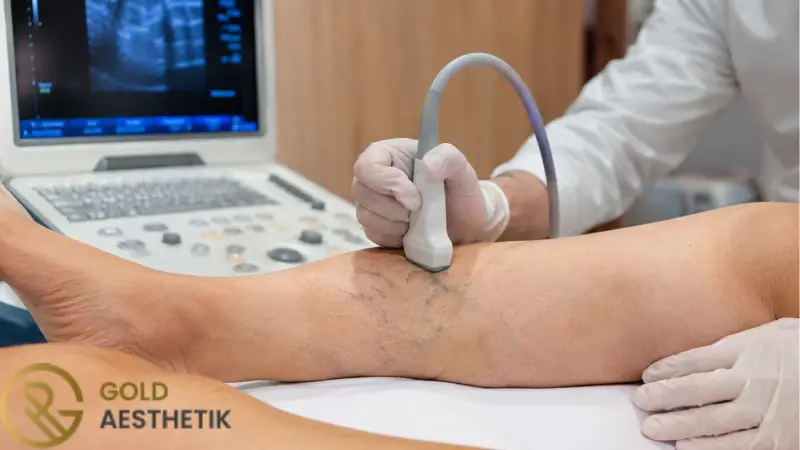
The choice of varicose vein treatment is not based solely on the visible vein size. The vein location, the intensity of blood reflux, the presence of pain or swelling, skin condition, medical history, previous treatments, and the patient’s treatment goal all play a role in the final decision.
In many cases, minimally invasive and outpatient methods can replace traditional surgery; however, minimally invasive does not mean that the method is suitable for all individuals. The patient should receive comprehensive information about the benefits, limitations, potential complications, recovery time, and the likelihood of additional sessions before treatment.
How do the consultation and initial examination proceed?
During the initial consultation, the doctor examines the appearance of the leg, the location of prominent veins, the extent of swelling, the skin condition, and the severity of symptoms. The onset of symptoms, family history, pregnancy, type of work, medications taken, a history of surgeries, blood clots, or previous varicose vein treatments can also influence decision-making.
The patient’s goal is also important. Some people are more dissatisfied with the appearance of the veins, while others come due to pain, heaviness, nocturnal cramps, or limitations in daily activities. The treatment plan should be developed based on these factors.
The Role of Doppler Ultrasonography in Choosing Treatment
The appearance of the leg does not always indicate the primary cause of varicose veins. Doppler ultrasonography can examine blood flow, valve function, vein diameter, the location of blood reflux, and the connection between superficial and deep veins.
If the problem is limited to thin and superficial veins, sclerotherapy may be an option. If a more significant vein shows blood reflux, endovenous methods such as laser or radiofrequency may be more suitable. Sometimes, a combination of several methods is also used to achieve better results.
Sonography can also help investigate a history of clots, abnormal courses, and the cause of varicose vein recurrence after previous treatment. The necessity of its performance is determined for each patient based on the examination and the type of veins.
How is endovenous laser varicose vein treatment performed?
Endovenous laser is used to treat some larger varicose veins and veins with blood reflux. In this method, a thin fiber is precisely inserted into the target vein, and the laser energy affects the inner vein wall to close the vein.
After the vein is closed, blood flows through healthy veins, and the treated vein gradually shrinks. This method is usually performed under local anesthesia and, in many cases, does not require a long hospital stay.
Bruising, tenderness, a feeling of tension along the vein, and temporary pain are possible side effects. More serious complications are rarer, but the patient should be informed about risks such as heat damage, phlebitis, skin changes, or clots before treatment.
What is radiofrequency for varicose veins?
Radiofrequency is also an endovenous method, but instead of laser energy, it uses controlled heat from radio waves to close the vein. A thin catheter is inserted into the vein, and the energy is delivered in a controlled manner to the vein wall.
This method may be suitable for some main veins with blood reflux and is usually performed under local anesthesia. The extent of pain, bruising, and the duration of return to activity vary from person to person and depend on the scope of treatment and the patient’s condition.
For which vein types is sclerotherapy suitable?
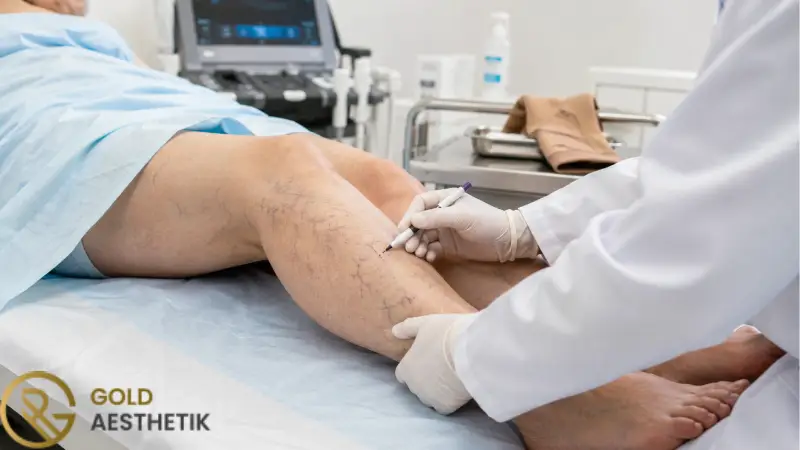
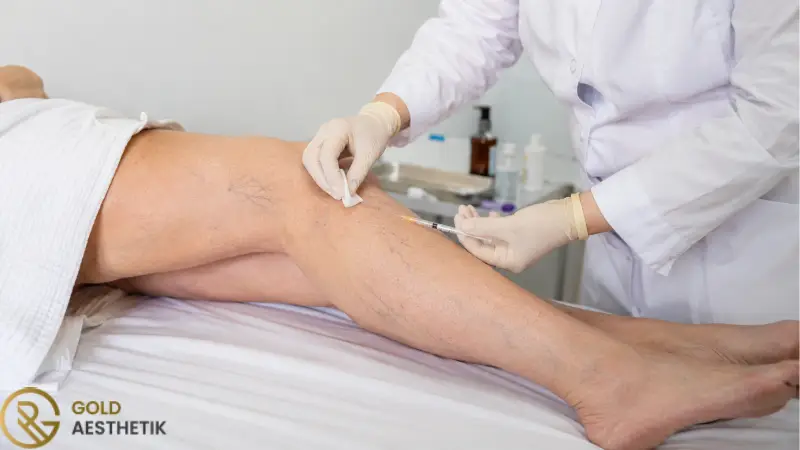
Sclerotherapy involves injecting a special substance into the target vein to make the vein wall react, close, and gradually fade. This method is typically used for spider veins, superficial veins, and some small to medium-sized varicose side branches.
The number of sessions depends on the extent of the veins, their size, the body’s reaction, and the treatment goal. Some veins improve after one session, while others require supplementary treatment.
Redness, bruising, burning, tenderness, and temporary skin discoloration may occur after the injection. In rarer cases, inflammation, reactions to the injected substance, or vascular complications may also occur; therefore, performing sclerotherapy without proper medical examination is not recommended.
When are phlebectomy and varicose vein surgery necessary?
Phlebectomy is performed to remove some superficial, prominent, and branched veins through very small incisions. This method can be used alone or in combination with laser, radiofrequency, or sclerotherapy.
Traditional varicose vein surgery is no longer the first choice for all patients today, but it may be considered in complex cases, for very large veins, severe twisting, recurrences after previous treatments, or when endovenous methods are not suitable.
The likelihood of bruising, pain, infection, scarring, temporary numbness, nerve damage, and vascular complications should be discussed before surgery. The final decision depends on the individual’s medical condition and the doctor’s assessment.
Is varicose vein treatment without surgery possible?
For many patients, varicose vein treatment without traditional surgery is possible. Sclerotherapy, endovenous laser, and radiofrequency are usually performed without large incisions, and their recovery time may be shorter than with traditional surgery.
However, the term “without surgery” should not be understood as a simple, risk-free, or universally suitable treatment. Even minimally invasive methods require correct diagnosis, adherence to medical principles, and aftercare.
What role do compression stockings and lifestyle changes play?
Regular walking, weight control, avoiding prolonged immobility, exercising ankle and calf muscles, and elevating the legs can help reduce venous pressure and control some symptoms. These measures generally do not remove existing varicose veins but can alleviate discomfort.
Compression stockings support blood flow through gradual pressure and can be recommended to reduce swelling, pain, and fatigue in the legs. The choice of stocking size and pressure should be tailored to individual conditions; because self-application is not suitable for certain arterial diseases or underlying conditions.
Who may not be suitable for certain methods?
Pregnancy, active clots, infections in the treatment area, certain arterial diseases, uncontrolled clotting disorders, allergies to substances used, or a poor general condition can delay treatment or necessitate the choice of another method.
The use of blood-thinning medications should also be reported to the doctor before treatment. Discontinuing or changing medications without medical instruction is not permitted. The type of treatment and the appropriate timing should be determined after reviewing the medical history and assessing potential risks.
| Treatment Method | Typical Application | Invasiveness | Important Note |
|---|---|---|---|
| Lifestyle Changes and Compression Stockings | Reduction of swelling, heaviness, and symptom control | Non-invasive | Generally does not remove existing varicose veins |
| Sclerotherapy | Spider veins and some superficial varicose veins | Very minimally invasive | May require multiple sessions |
| Endovenous Laser | Some larger veins with blood reflux | Minimally invasive | Choice depends on the result of the vascular examination |
| Radiofrequency | Some damaged main veins | Minimally invasive | Usually performed under local anesthesia |
| Phlebectomy | Superficial, branched, and prominent veins | Semi-surgical | Can be performed in combination with another method |
| Traditional Surgery | Special, complex cases or very large veins | More invasive | Not the first choice for all patients |
The Path of Varicose Vein Treatment in Hamburg: From Consultation to Aftercare
Varicose vein treatment is more targeted when it is not limited to the removal of visible veins. First, the cause, type of affected vein, severity of the condition, and the patient’s goal must be clarified, and then the treatment method tailored to individual conditions must be chosen.
At Gold Aesthetik in Hamburg-Winterhude, the examination process begins with an individual consultation and assessment of the patient’s condition. The treatment outcome, number of sessions, and recovery time depend on the type of varicose veins, the chosen technique, the body’s reaction, and adherence to care measures.
What steps does the treatment day involve?
The steps on the treatment day vary depending on the chosen method. First, the target vein is identified, and the treatment area is prepared. For endovenous methods, a fiber or catheter is precisely inserted into the vein. For sclerotherapy, the treatment substance is injected at specific points, and for phlebectomy, superficial veins are removed through small incisions.
Many modern methods are performed on an outpatient basis, but the treatment duration and the time until return to daily activities are not the same for everyone. The patient should follow the doctor’s specific instructions.
| Phase | Main Goal | Important Note for the Patient |
|---|---|---|
| Initial Consultation | Assessment of symptoms, medical history, and treatment goal | All medications and underlying conditions must be disclosed |
| Vascular Examination | Determination of the type and location of the affected vein | The appearance of the vein alone is not sufficient for decision-making |
| Method Selection | Creation of a plan tailored to individual conditions | A combination of several methods may be suggested |
| Treatment | Closure, injection, or removal of the target vein | Each patient’s experience and treatment duration vary |
| Aftercare | Review of the result and determination of the need for supplementary treatment | Participation in the follow-up session should not be neglected |
Aftercare after Varicose Vein Treatment
After treatment, light walking, wearing compression stockings, avoiding prolonged standing or sitting, and limiting intense physical activity may be recommended for a certain period. The type and duration of care depend on the treatment method and the patient’s condition.
Complete immobilization of the leg is generally not recommended unless the doctor gives other instructions for a specific reason. Controlled movement can promote blood circulation, but the activity level should be adjusted individually.
Bruising, tenderness, slight swelling, or a feeling of tension along the vein may occur. In case of severe pain, sudden increase in swelling, extensive redness, fever, bleeding, shortness of breath, or other unusual symptoms, a doctor or emergency service should be contacted immediately.
When is the treatment result visible?
The time it takes for the result to become visible depends on the type of vein and the treatment method. Some prominent veins shrink within the first few weeks, while the fading of superficial veins after sclerotherapy may take more time.
Bruising, inflammation, or temporary skin discoloration may affect the appearance of the leg in the first few days or weeks. The final result should be assessed after a sufficient period and the follow-up examination.
Sometimes the treated vein is successfully closed, but other small veins remain visible and require a supplementary session. The number of sessions cannot be precisely determined before the examination.
Do varicose veins return after treatment?
A successfully closed or removed vein usually no longer functions as before, but the predisposition to varicose vein formation may persist. Genetics, older age, pregnancy, obesity, standing or sitting occupations, and the weakness of other veins can lead to the formation of new veins.
Regular activity, weight control, avoiding prolonged immobility, and examining new symptoms can help maintain the result better, but no method can guarantee that no further varicose veins will develop in the future.
What do the costs of varicose vein treatment in Hamburg depend on?
The costs of varicose vein treatment in Hamburg are not the same for all patients. The type of vein, the extent of involvement, the result of the sonography, the chosen method, the number of sessions, and the need for combined treatment can influence the final costs.
Treating a few spider veins is not comparable to treating a main vein with blood reflux or removing several prominent side branches. For one patient, sclerotherapy may be sufficient, while another may require endovenous laser treatment in combination with phlebectomy or supplementary treatment.
When inquiring about costs, it should be clarified whether the stated amount includes the examination, possible sonography, medical compression stockings, the follow-up session, and supplementary treatment, or whether these items are charged separately. An exact price quote without a vein examination is not always possible.
Low costs should not be the sole criterion for choosing a center. The diagnosis of the primary cause of blood reflux, the doctor’s experience, the quality of the equipment, adherence to hygienic principles, and the possibility of aftercare for complications influence safety and treatment outcome.
Why is choosing the right center in Hamburg important?
Varicose vein treatment has both a medical and an aesthetic aspect. If only the veins on the skin are treated and the primary cause of blood reflux persists, the likelihood of symptoms remaining or new veins developing is higher.
A reputable center should transparently inform about the diagnosis, available options, limitations, potential complications, care, and expected costs before treatment. Promising a definitive result or offering a uniform method for all patients does not align with the individual nature of varicose vein disease.
Gold Aesthetik is located at Barmbeker Str. 40, 22303 Hamburg-Winterhude. Information on further medical and aesthetic services of the clinic in Hamburg is also available in the service section of the website.
Frequently Asked Questions about Varicose Vein Treatment
Are all blue veins on the leg varicose veins?
No. Some blue or purple veins are superficial capillaries or spider veins, while others are varicose side branches. Determining the type of vein and its connection to the main veins depends on the examination and, if necessary, sonography.
Does walking cure varicose veins?
Walking can improve calf muscle function and blood return and be helpful in alleviating some symptoms, but it generally does not eliminate existing varicose veins. Exercise is part of symptom control and prevention of immobility, not a substitute for medical treatment.
Is sclerotherapy suitable for all varicose veins?
No. Sclerotherapy is primarily used for superficial veins and some small to medium-sized side branches. If a main vein shows blood reflux, another method or a combination of treatments may be more suitable.
Is varicose vein treatment painful?
The extent of discomfort depends on the treatment method, the extent of the vein, and individual sensitivity. Minimally invasive methods usually use local anesthesia or fine needles, but burning, pressure, temporary pain, or tenderness after treatment can occur.
Can one return to work immediately after treatment?
Many patients can resume light activities after outpatient procedures, but the return to work depends on the type of treatment, the person’s occupation, and the extent of the area. Individuals with heavy physical labor or prolonged standing may require greater restrictions.
Is varicose vein treatment performed during pregnancy?
During pregnancy, many elective varicose vein treatments are postponed until after childbirth, as some veins may shrink after pregnancy ends. The use of appropriate compression stockings, regular exercise, and elevating the legs can be recommended for symptom control.
If sudden swelling of a leg, severe pain, redness, or shortness of breath occurs during pregnancy, this should not be attributed solely to varicose veins, and immediate medical examination is required.
Is closing a varicose vein dangerous for blood circulation?
Before treatment, it must be clarified whether the target vein can be closed or removed and whether the healthy veins are able to carry the blood. After closing a damaged superficial vein, blood flows through healthier pathways. This decision should be made based on an examination and vascular assessment.
Summary: Varicose Vein Treatment in Hamburg Should Begin with an Accurate Diagnosis
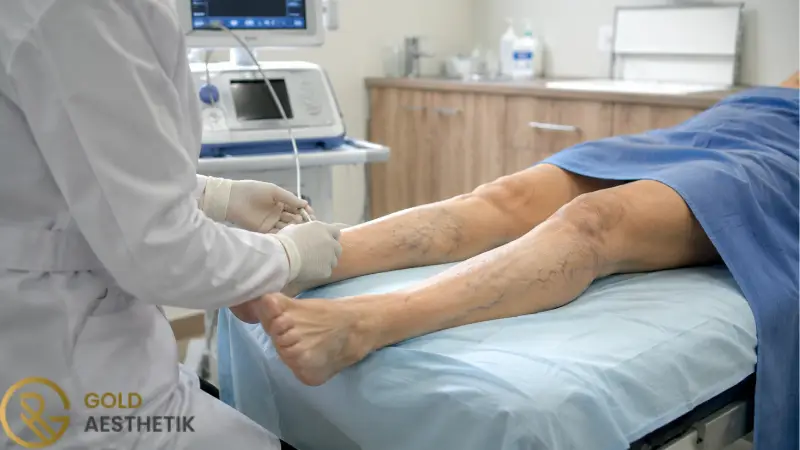
Varicose veins are not always just a cosmetic problem and can be accompanied by pain, swelling, heaviness in the legs, itching, nocturnal cramps, and skin changes. A correct diagnosis helps determine whether the problem is limited to superficial veins or if a more significant vein shows blood reflux.
Methods such as sclerotherapy, endovenous laser, radiofrequency, phlebectomy, and surgery each have specific applications and limitations. The best method for each individual depends on the type of vein, the severity of symptoms, medical history, the result of the vascular examination, and a realistic expectation of the treatment.
For Persian-speaking residents of Hamburg and Germany, access to clear explanations and good communication with the treatment team can facilitate decision-making. Information in Persian about the clinic is available on the Gold Aesthetik Persian website.

